The Quiet Pull of Late-Night Eating
Late-evening food choices follow a rhythm distinct from hunger alone. A look at what drives eating after dark, and what it reveals about the wider pattern of a day.
Convenience food reliance does not arrive all at once. It settles in gradually, over weeks of busy evenings, until it becomes the default rather than the exception.
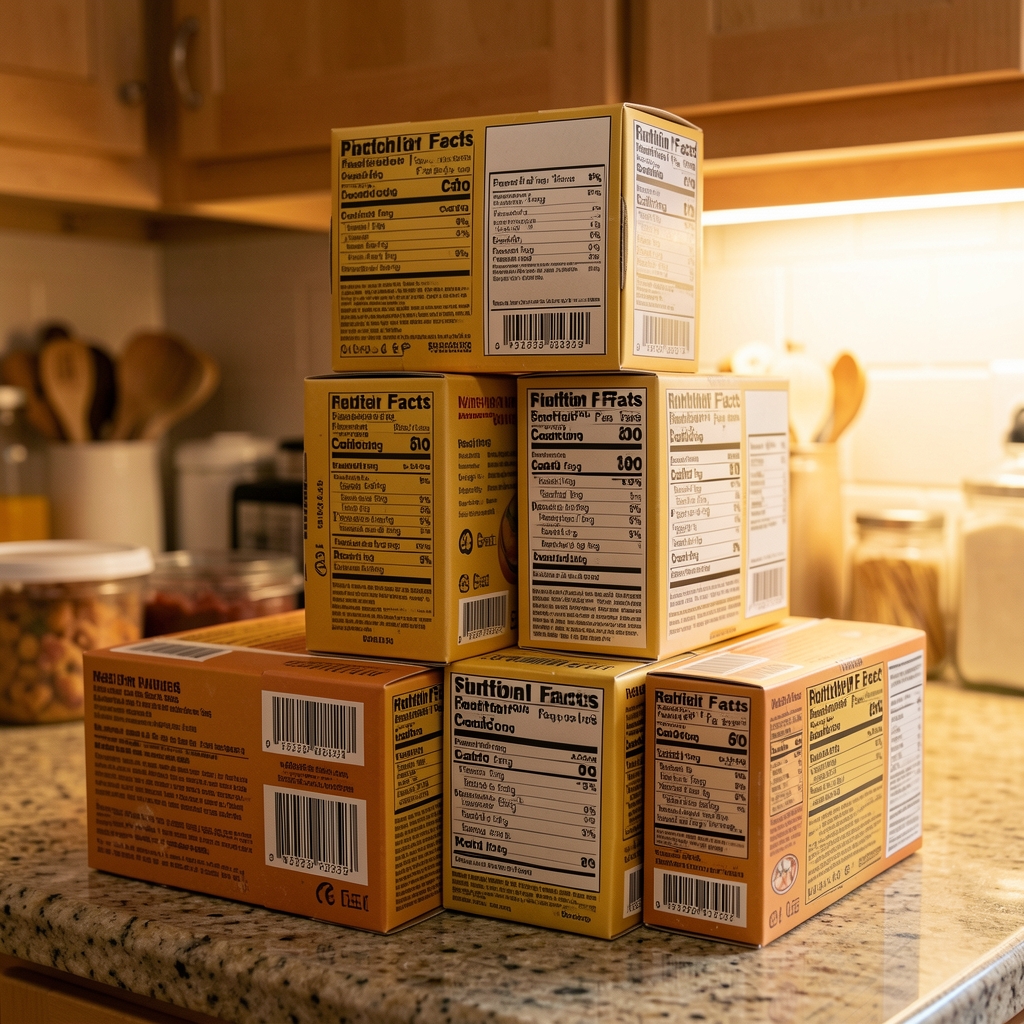
The sugars that contribute most to daily intake are rarely the obvious ones. They arrive in drinks, sauces, and packaged staples — noted on the label, yet seldom calculated.
The habits that shape weight and wellbeing are not formed in a single decision. They accumulate across hundreds of small moments: a skipped lunch, a meal in front of a screen, a second portion measured by distraction rather than appetite.
Elano Quarterly documents these patterns without prescribing a single solution. Each piece draws on published nutritional research, everyday observation, and the kind of evidence-informed perspective that resists the language of quick adjustment.
Gradual dietary improvement, as documented across a wide range of published work, tends to follow habit-based change rather than categorical restriction. The journal records this quietly, over time.
About the Publication
Skipping meals, irregular eating intervals, and the weight consequences of inconsistent daily timing — all documented without instruction.
The gradual shift toward ultra-processed staples, what drives it, and how frequency of convenience food use changes the composition of a weekly diet.
How serving sizes have shifted over decades, the gap between perceived and actual portion volume, and the domestic context in which distortion occurs.
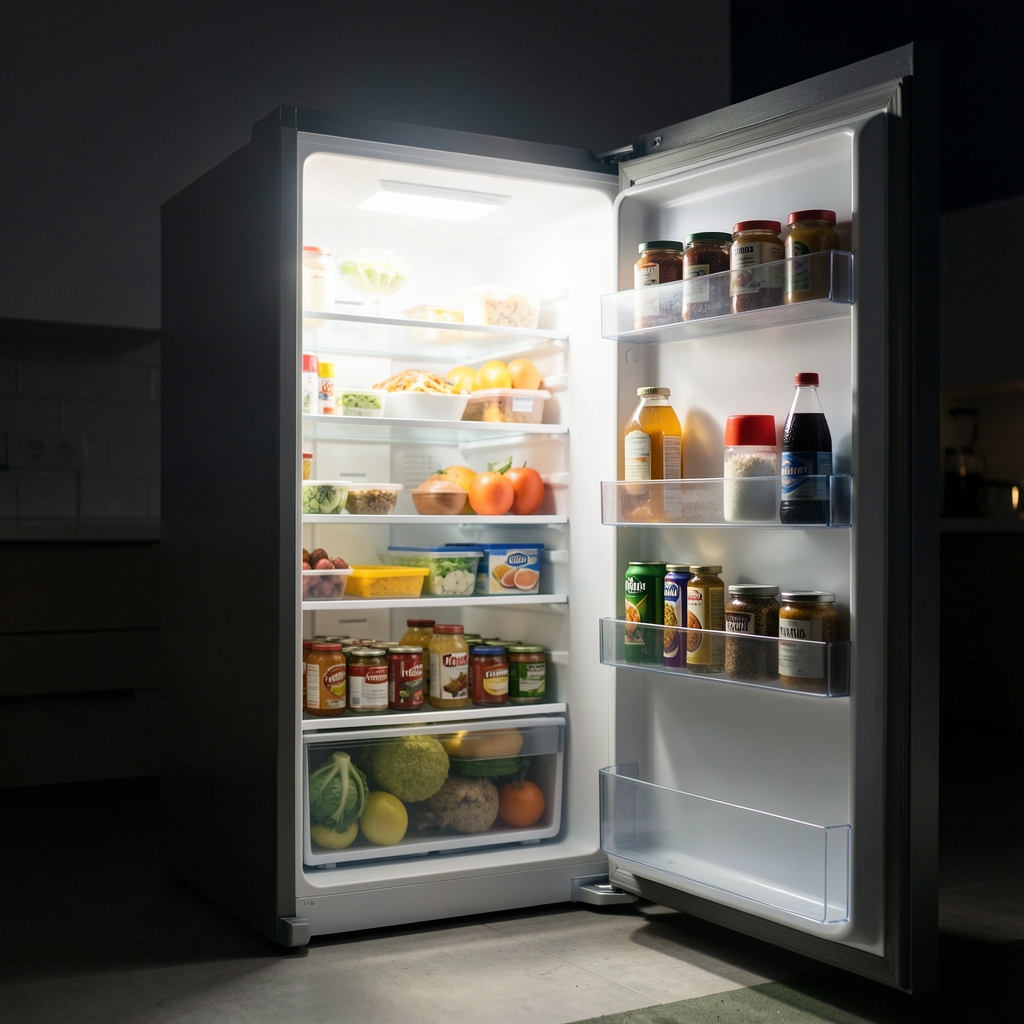
Evening and late-night food choices, the role of fatigue in food selection, and what the research shows about timing relative to the body's daily rhythm.
Drinks as an unaccounted calorie source — from fruit juices to flavoured coffees — and the quiet contribution they make to overall daily intake.
The evidence on home-cooked meals relative to eating out, and why frequency of home cooking remains one of the more robust indicators in the research.
"The eating habits that carry the most weight are rarely the dramatic ones. They are the small, repeated patterns — the skipped breakfast, the afternoon packet of crisps, the third coffee — that accumulate quietly over a year."
The publication focuses on the eating habits that quietly shape everyday weight and wellbeing — irregular meal timing, processed food reliance, portion distortion, and the small domestic patterns that nutritional research consistently flags. The approach is observational and evidence-informed, not prescriptive.
Topics are drawn from the intersection of published nutritional research and observable daily habit. Writers identify patterns that appear frequently in the research but receive little sustained editorial attention. Priority is given to subjects where the evidence base is sufficient and the everyday significance is clear.
The core editorial team consists of two resident writers with backgrounds in nutritional writing and science communication. Each issue includes at least one piece by a guest contributor with relevant expertise. All pieces undergo a second editorial review before publication, as set out in the methodology.
Elano Quarterly is an independent editorial publication focused on everyday wellness practices. The publication is not affiliated with any commercial, governmental, or institutional body.
New long-form pieces are published every three to four weeks. The editorial calendar is planned in quarterly cycles, with between three and five major pieces per quarter. Shorter observational notes are published in between when the subject warrants timely attention.